





Questions continue to be raised about emergency medical response in Northumberland County as two separate incidents in Cobourg on Tuesday highlighted what appear to be inconsistent emergency dispatch decisions.
Today’s Northumberland has previously reported on concerns surrounding delayed paramedic responses, and Tuesday’s incidents added to the growing questions.
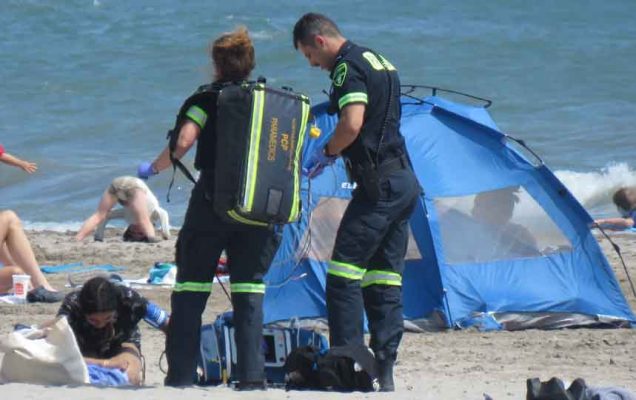
The first incident occurred shortly after 3 p.m. at Victoria Beach.
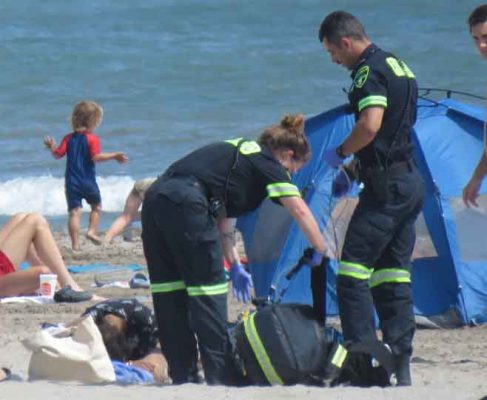
An ambulance arrived at the Victoria Park Campground with its emergency lights activated. Moments later, two paramedics carrying medical bags made their way onto the beach where it appeared a person, possibly suffering from a heat-related medical emergency, required assistance.
The ambulance was later repositioned closer to the east side of the beach, apparently to improve access for transporting the patient.
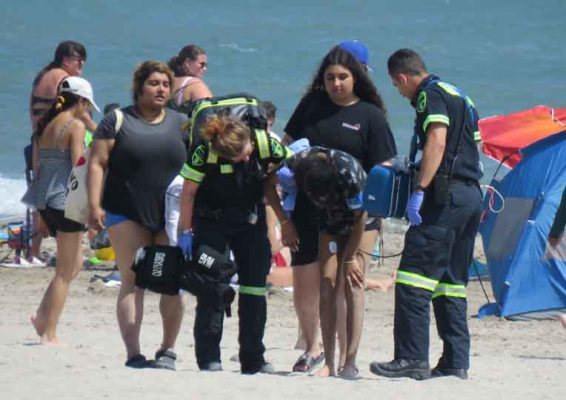
As paramedics attempted to help the individual off the beach, the person collapsed at least twice.
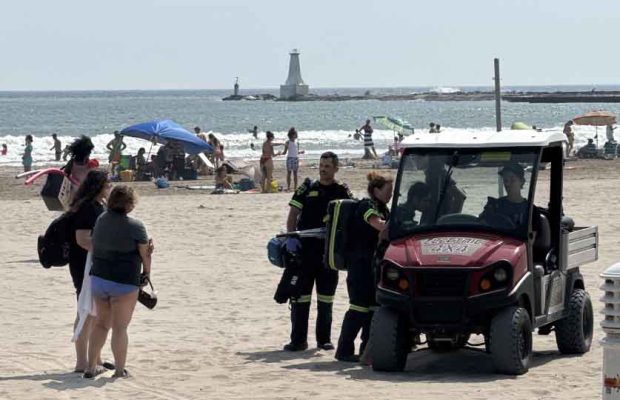
A Cobourg Marina ATV was eventually used to transport the patient to the waiting ambulance. With temperatures reaching approximately 30 C before the humidex was factored in, the incident underscored the challenges emergency crews face when treating patients in difficult-to-access locations.
The incident also raises a reasonable question: why wasn’t the Cobourg Fire Department dispatched as well?
Firefighters are frequently called to assist with patient extrication in locations where access is difficult. Additional personnel could have helped safely move the patient while allowing paramedics to concentrate on medical treatment.
Later that afternoon, at approximately 4:22 p.m., the Cobourg Fire Department responded to a motor vehicle collision at the intersection of King Street West and Third Street.
When firefighters arrived, three Cobourg Police Service cruisers were already on scene. Although the collision appeared relatively minor, firefighters remained with the patient until paramedics arrived approximately 21 minutes later, at about 4:43 p.m.
The ambulance arrived without lights or sirens.
That response raises another series of questions.
Who determines which incidents fire departments in Northumberland County are dispatched to, and what information is shared as an incident evolves?
Firefighters are typically dispatched to collisions when injuries are reported or suspected. They also respond to incidents involving leaking fluids, traffic hazards, structural concerns or damaged hydro or gas infrastructure. Their emergency response with lights and sirens reflects the information available at the time of dispatch.
If paramedics were subsequently downgraded to a non-emergency response because dispatch received updated information indicating injuries were not serious, why wasn’t the same information relayed to firefighters? Conversely, if the patient’s condition still required an urgent medical response, why was the ambulance response downgraded?
These are not criticisms of the emergency responders themselves. Police officers, firefighters, paramedics and dispatchers work within the system they are provided. Rather, they are questions about the system that coordinates those responses.
Northumberland County has acknowledged challenges within its paramedic service, with ambulance response delays documented in some cases. Those delays can have a ripple effect throughout the entire emergency response system.
When firefighters remain on scene waiting for paramedics to assume patient care, that fire apparatus and personnel are unavailable for other emergencies. Additional firefighters are called in for standby and to maintain coverage, increasing operational costs borne by taxpayers.
The concern is no longer solely about ambulance response times. It is about ensuring emergency services are dispatched efficiently, consistently and based on the most current information so police, fire and paramedic resources are used effectively while patients receive the best possible care.
Incidents like those witnessed Tuesday continue to generate questions that deserve answers. Whether the issues stem from dispatch protocols, staffing shortages, communication procedures or resource allocation, greater transparency from Northumberland County would help reassure both the public and the emergency personnel working within the system.
Until those questions are addressed, confusion will continue to undermine public confidence in a system that people depend on during their most critical moments.

Author: Pete Fisher
Has been a photojournalist for over 30-years and have been honoured to win numerous awards for photography and writing over the years. Best selling author for the book Highway of Heroes - True Patriot Love