
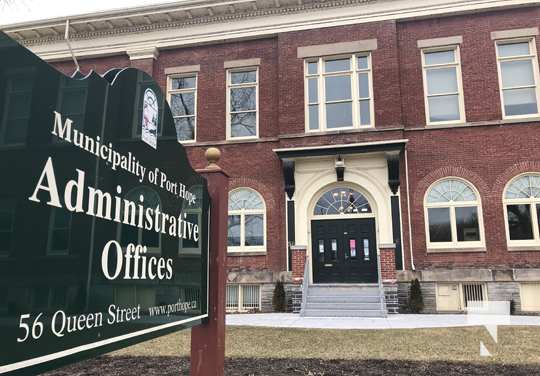

A draft parking bylaw aimed at improving winter road safety and modernizing enforcement is moving forward after Port Hope council received a staff report for information without comment at Tuesday’s (March 17, 2026) meeting and directed staff to continue refining the proposal alongside implementation of a new Administrative Monetary Penalty System (AMPS).
The draft bylaw outlines significant changes to how parking would be regulated across the municipality, including a blanket winter overnight parking ban and new limits on how long vehicles can remain on streets. If ultimately approved, the rules would prohibit parking on any municipal road between 2 and 6 a.m. from Dec. 1 to March 31, with limited exceptions allowed through signage or council-approved schedules.
The report notes the winter restriction is intended to address persistent challenges with snow removal.
Parked vehicles often force plow operators to maneuver around obstructions, pushing excess snow into driveways and creating hazards—particularly for seniors and residents with limited mobility. In some cases, snow clearing has been delayed or left incomplete due to safety concerns on narrow residential streets.
The draft bylaw also introduces a 12-hour maximum for on-street parking. Officials say the measure would discourage long-term vehicle storage on local roads, improve turnover, and respond to complaints about vehicles left unmoved for extended periods. It may also help reduce environmental and infrastructure impacts, such as fluid leaks and premature road wear on streets not designed for prolonged parking.
To address the needs of residents without sufficient off-street parking, staff plan to roll out a free residential permit program. Eligible households would be allowed to park for up to 24 hours, exempting them from both the 12-hour limit and the winter overnight restriction. However, permits would be temporarily void during snow events to ensure plows can operate safely and efficiently.
The proposed bylaw is being developed in tandem with AMPS, a system that would move parking enforcement away from the provincial court system to a municipally administered model. Under AMPS, disputes are handled through local screening and hearings, with unpaid penalties potentially tied to licence plate renewals. Staff say the shift is expected to reduce reliance on the courts, lower legal costs, and improve revenue retention.
The new bylaw would eventually replace existing parking provisions currently governed under older traffic regulations tied to the Provincial Offences Act. Tickets issued prior to any transition would continue to be processed under the current system.
Before bringing a final version forward for enactment, staff will conduct a municipality-wide review of parking signage and street-specific rules. The review aims to improve clarity for residents—particularly in areas without driveways—while ensuring restrictions align with operational needs. Public consultation and education sessions are also planned as part of the rollout.
While the transition to AMPS is expected to generate long-term efficiencies, staff are still refining costs related to signage, communications, and program administration. Some expenses will be covered within the current budget, with additional funding to be considered in 2027.
Staff will report back to council with a finalized parking bylaw once AMPS implementation requirements are in place.

Author: Pete Fisher
Has been a photojournalist for over 30-years and have been honoured to win numerous awards for photography and writing over the years. Best selling author for the book Highway of Heroes - True Patriot Love