
(Today’s Northumberland file photo)
Orange Heat Warning Issued for the Region with Humidex Possibly into the Mid-40s
Lakelands Public Health is urging residents to take precautions to protect against heat-related illnesses as the first heat event arrives coinciding with Canada Day festivities.
Environment and Climate Change Canada has issued an “Orange Heat Warning” for most of the region for Tuesday, June 30 through Friday, July 3. Orange Heat Warnings are issued when impacts of the heat are expected to be major and widespread, including extended heat waves or unusually high temperatures for the region. Some areas of the region may be under a Yellow Heat Warning but are still expected to experience extreme heat.
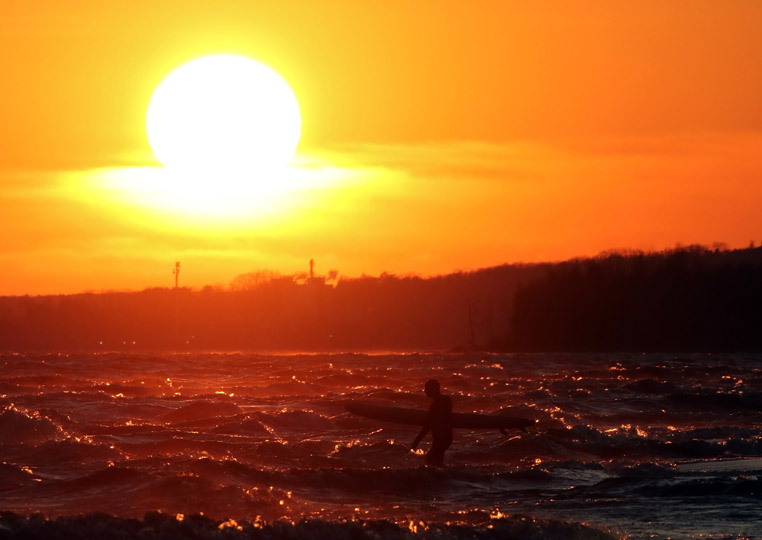
Currently, daytime highs are expected to reach up to 36° C, with a humidex possibly into the mid-40s. Overnight lows are expected to remain above 21-24°C, providing little relief from the heat. The heat event is expected to end by Saturday, July 4.
During an Orange Heat Warning, everyone may be at risk for heat-related illnesses like dehydration, heat cramps, heat exhaustion, and heat stroke. However, some populations may be more vulnerable to the health impacts, including people who work outdoors, people who are unhoused, older adults, some people with disabilities or chronic diseases, people who are pregnant, and children and infants.
“Residents are strongly encouraged to check in with friends, family, and neighbours this week,” said Julie Bromley, Manager of Strategic and Emergency Services at Lakelands Public Health. “Being the first heat of event of the year and over the holiday, this can be a very dangerous time. Especially for those who may be at higher risk or live alone, a check-in is so important.”
Symptoms of Heat Exhaustion
Residents are encouraged to monitor themselves and those around them for signs of heat-related illness. Symptoms include:
Tiredness and weakness
Dizziness
Rash
Nausea or vomiting
Headache
Decreased urination with unusually dark yellow urine
Anyone experiencing these symptoms should move to a cool place immediately, drink water, and seek medical attention if required.
Symptoms of Heat Stroke
Heat stroke is a medical emergency. Call 9-1-1 immediately if someone is experiencing any of the symptoms:
Body temperature over 39°C (102°F)
Hot, red skin that may feel dry
Throbbing headache
Dizziness/fainting or passing out
Severe nausea or vomiting
Trouble speaking clearly
Unusual coordination
Fast breathing or faint, fast heartbeat
Confusion or disorientation
Very little dark urine
Reduce the Risk of Heat-Related Illnesses
Stay hydrated; drink lots of water before feeling thirsty.
Avoid strenuous outdoor physical activity.
If you are at higher risk, limit outdoor physical activity, even at moderate levels.
Avoid going out during the hottest time of the day and avoid direct sun.
Wear loose-fitting, light-coloured clothing.
Take a cool bath/shower or cool down with cold, wet towels.
Keep homes cooler by:
Closing blinds and curtains
Turning off heat-generating lights or appliances
Preparing meals that don’t use your oven
Never leave people or pets inside a parked vehicle or in direct sunlight.
Contact your local municipality to ask about designated public cooling centres or visit public spaces such as libraries or malls that are air conditioned, or local beaches and splash pads.
Extreme heat events have been increasing in frequency and severity, due to climate change, and residents in our region may experience more health risks associated with extreme heat, as shared in the 2023 Climate Change and Vulnerability Health Assessments previously conducted in both the former HKPR District Health Unit and Peterborough Public Health regions.
Extreme heat can be dangerous. Knowing how to prepare and keep cool will help you stay safe and healthy. Find more information, tips, resources and active local heat alerts at LakelandsPH.ca/Heat.

Author: Pete Fisher
Has been a photojournalist for over 30-years and have been honoured to win numerous awards for photography and writing over the years. Best selling author for the book Highway of Heroes - True Patriot Love