
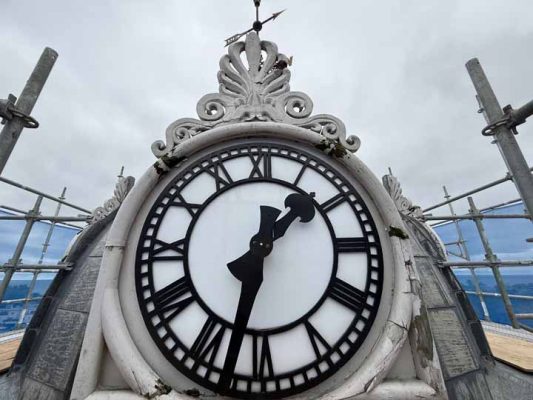
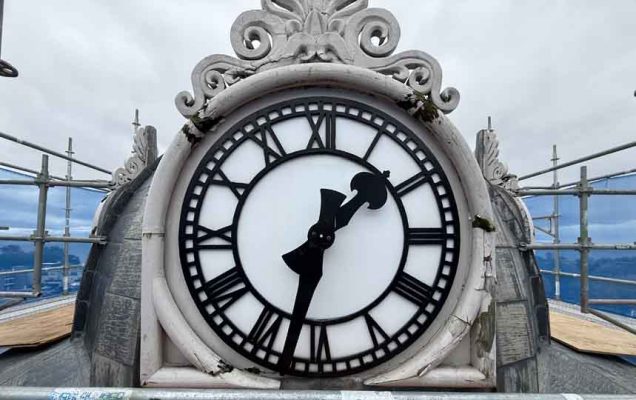

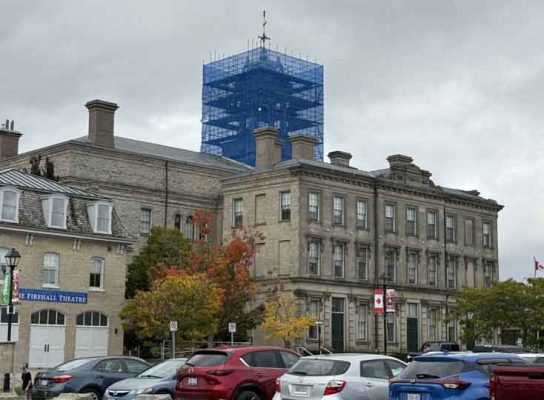
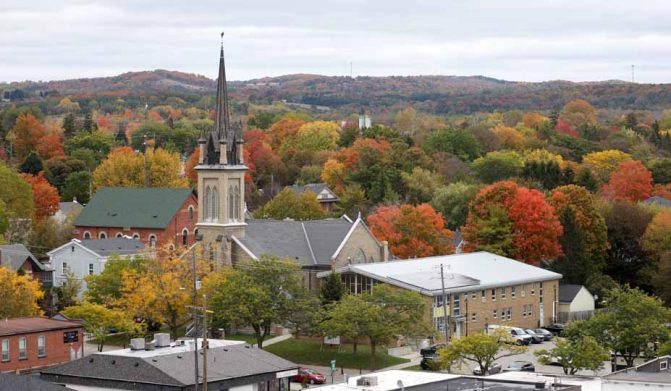
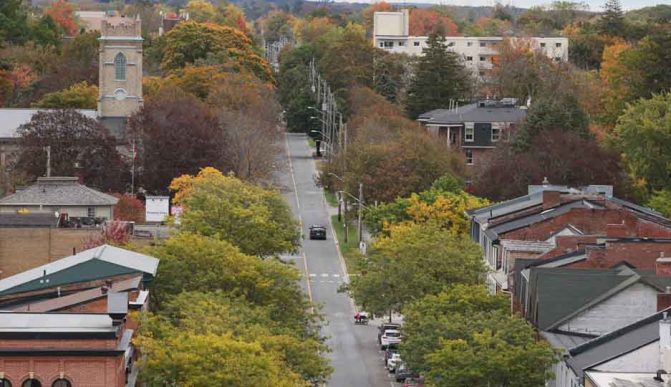
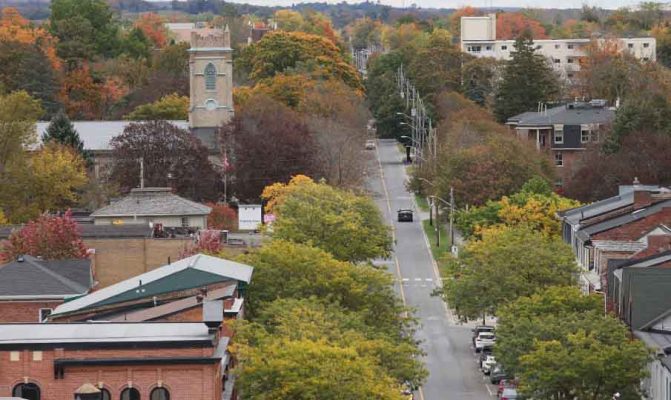
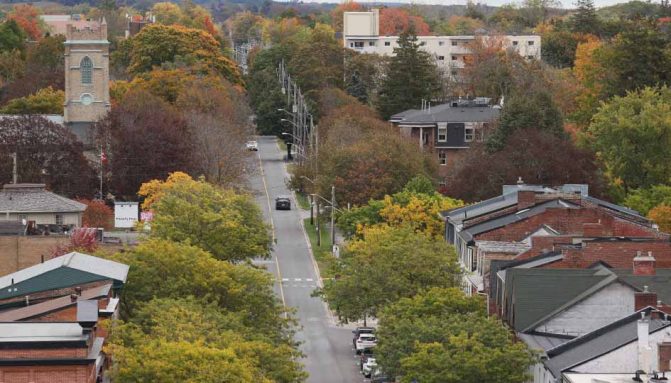
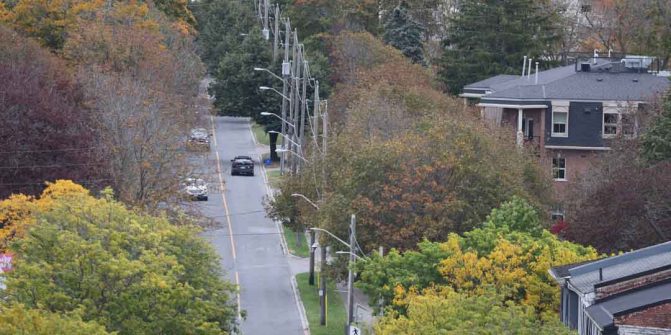
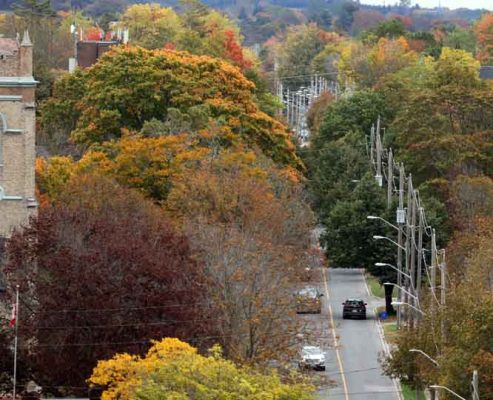

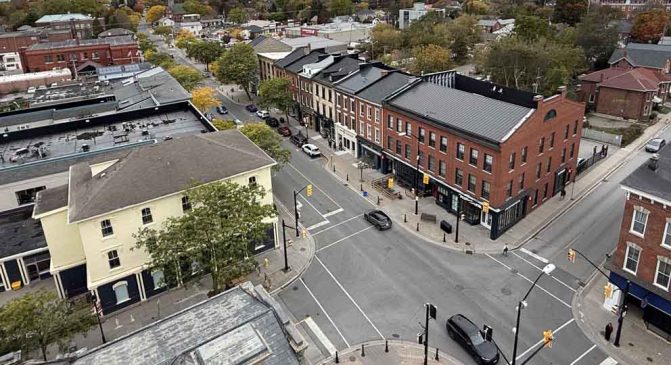
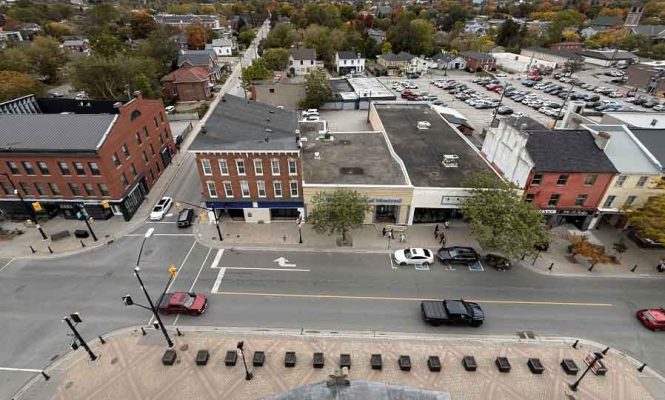
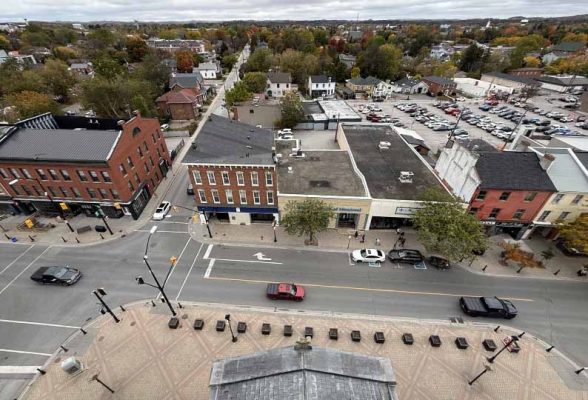
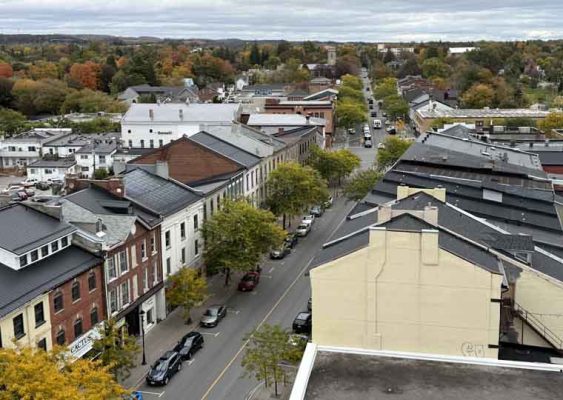
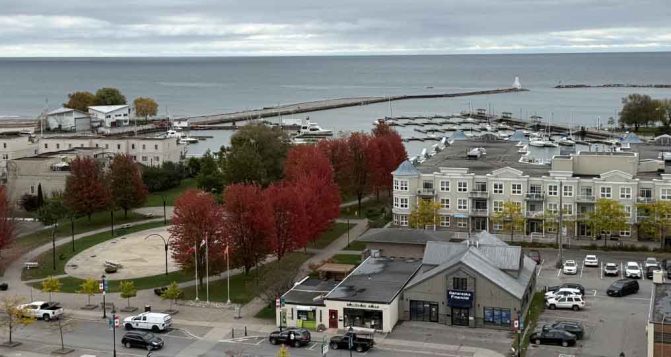

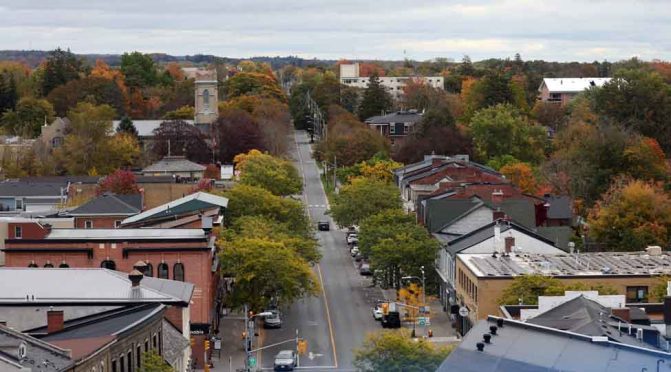
From the streets of downtown Cobourg, Victoria Hall’s iconic clock tower continues to stand proudly above the historic municipal building, its familiar silhouette an enduring part of the town’s landscape.
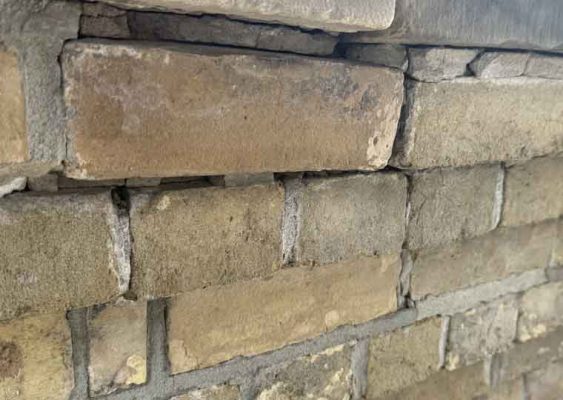
But climb the scaffolding, get close enough to touch the woodwork and the picture changes dramatically.
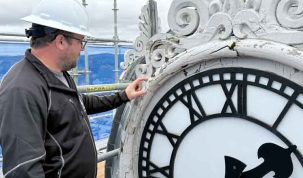
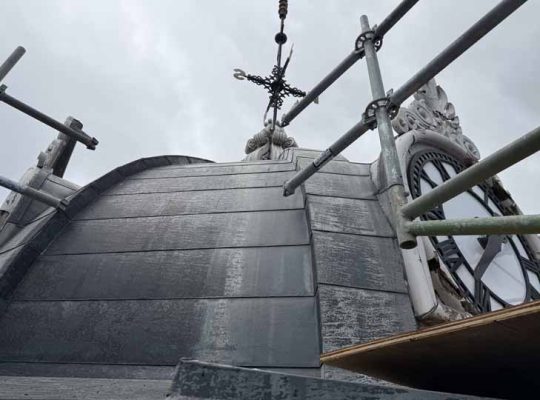
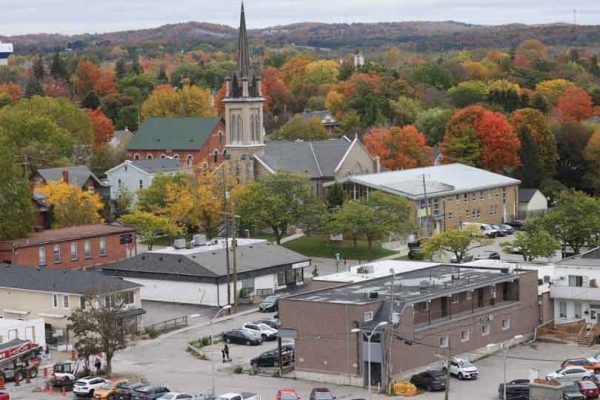
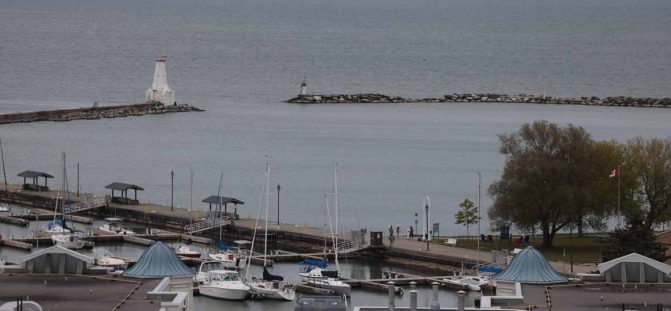
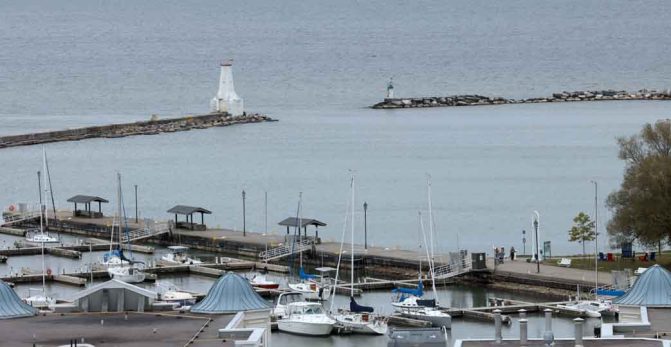
Today’s Northumberland got a birds-eye view of the clock tower and the repairs that are taking place.
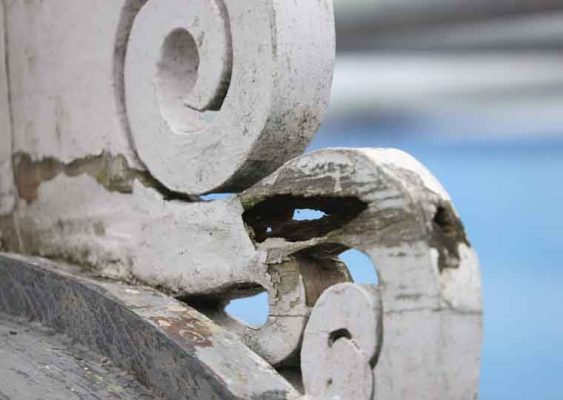
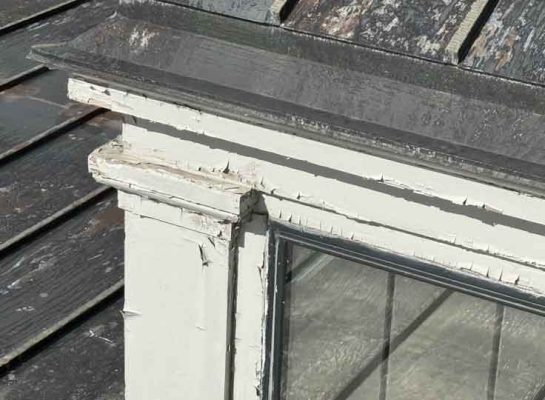
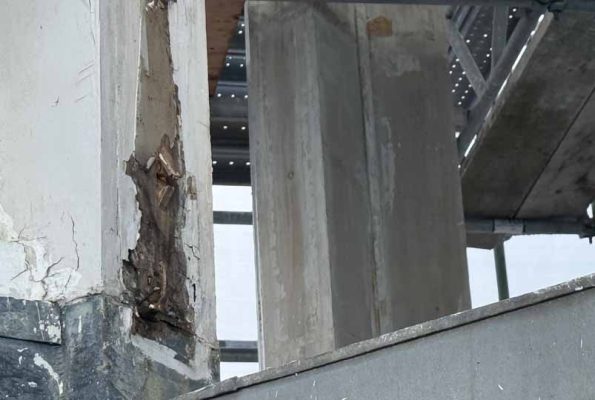
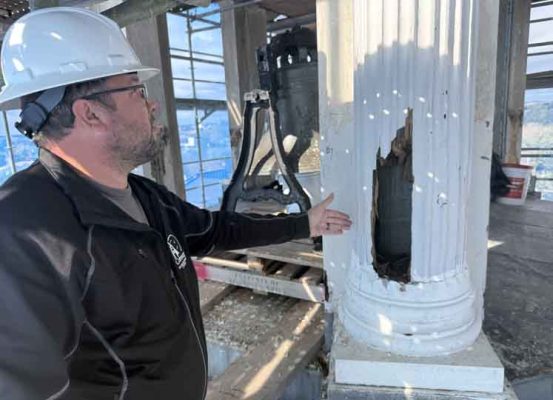
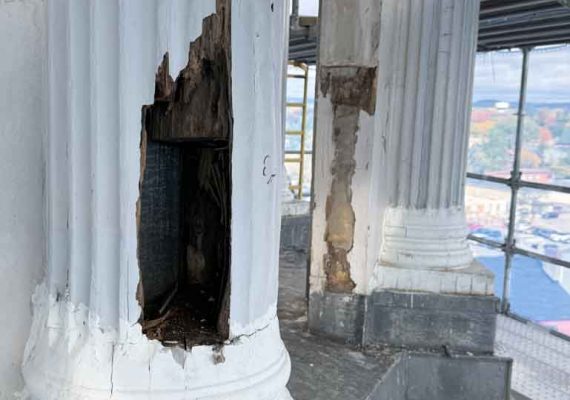
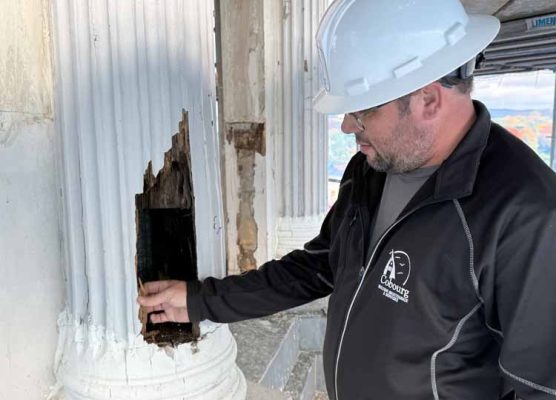
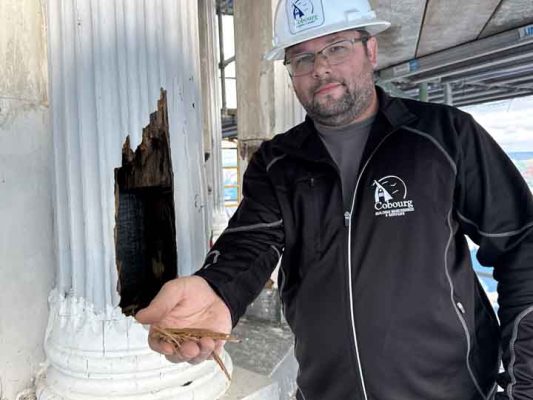
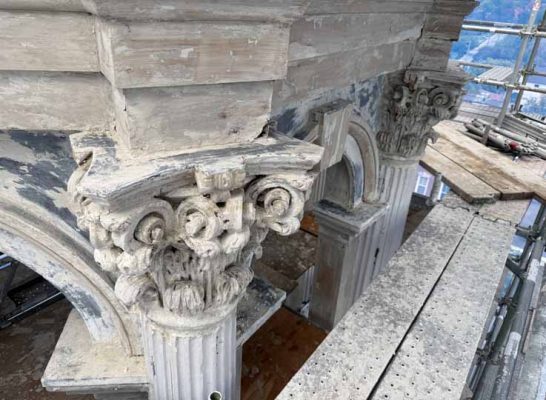
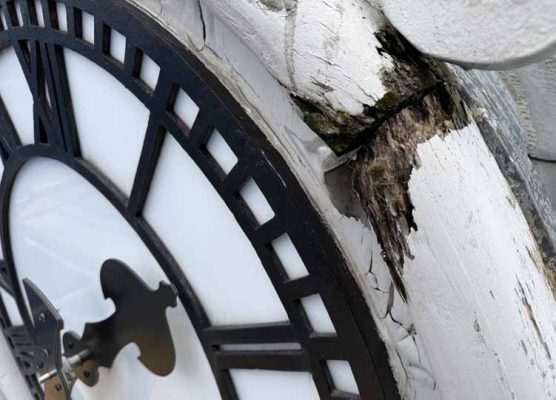
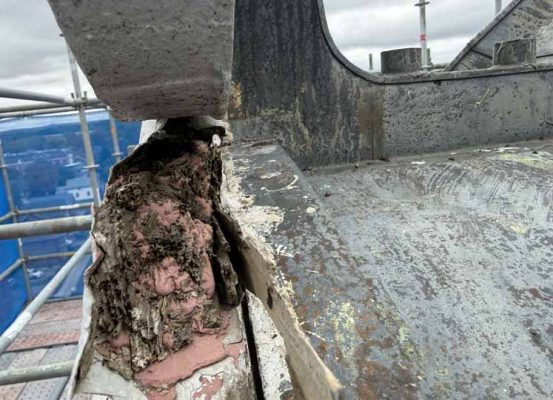
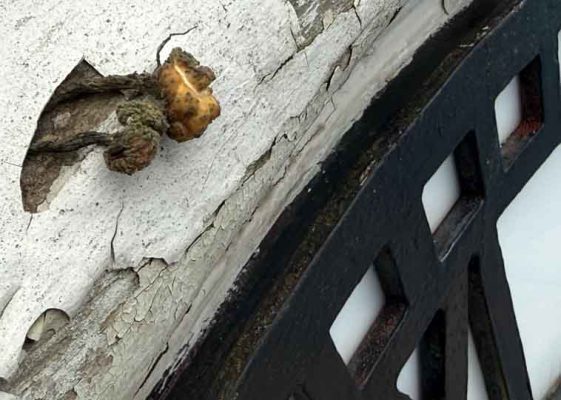
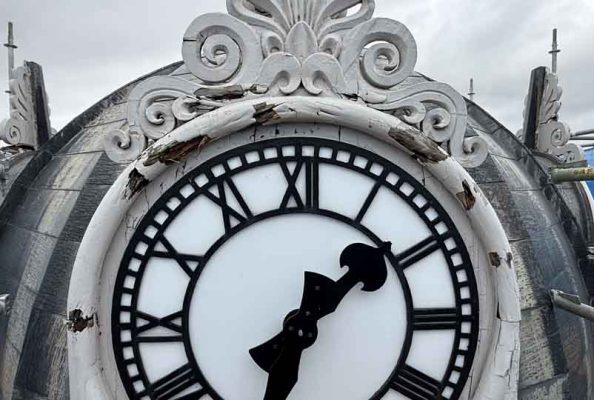
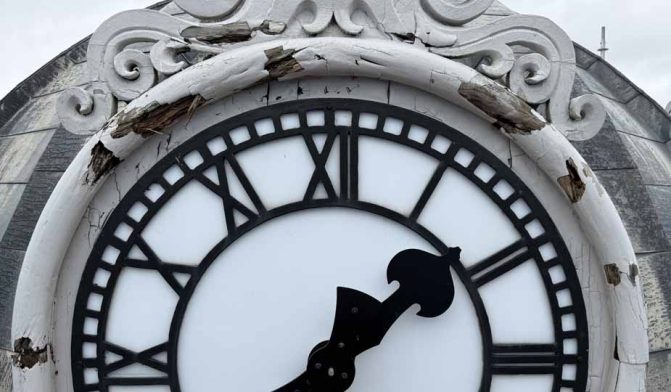
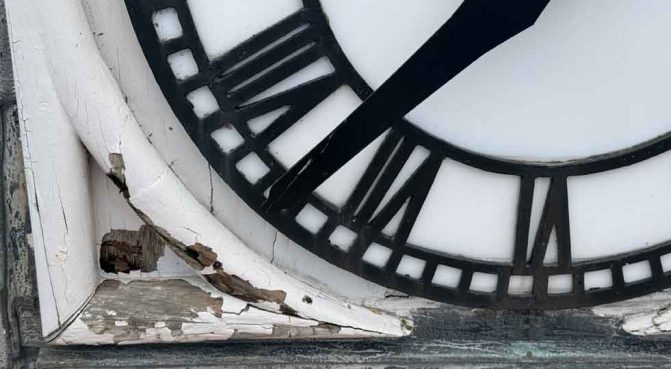
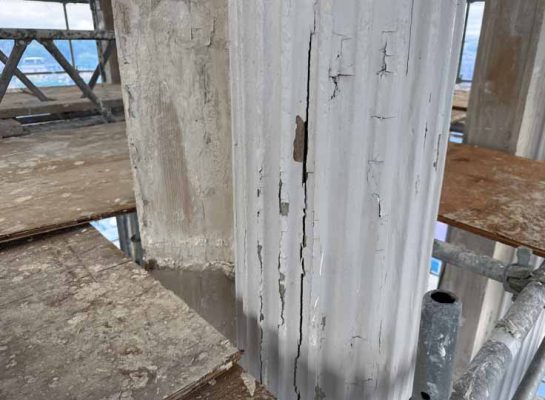
Beneath layers of paint that have protected the tower for generations, sections of wood have deteriorated so badly that they are little more than a soft, spongy shell. In some areas, the damage is so extensive that the wood must be replaced entirely.
What appears from the ground to be a structure in relatively good condition has revealed a much more complicated restoration project once crews gained access to areas that had been hidden from view.
“This year, we’ve had budget approval for a restoration of the woodwork in the tower, and that includes the bell cradle and basically any of the painted woodwork you’d see from the base of the tower up,” said David Storms, the Town of Cobourg’s Building Maintenance and Services Working Foreperson and project leader.
“From a distance it looks perfect, but when you get as close as we are, you can see how it is deteriorating.”
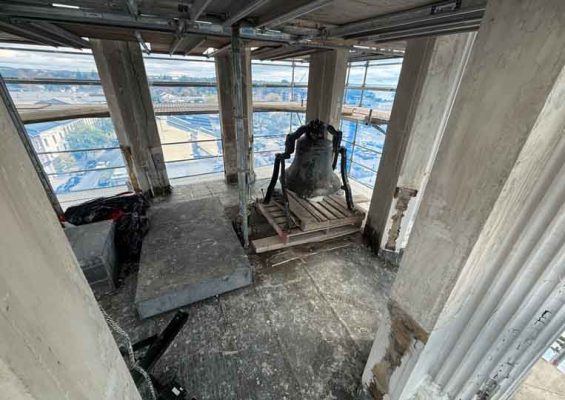
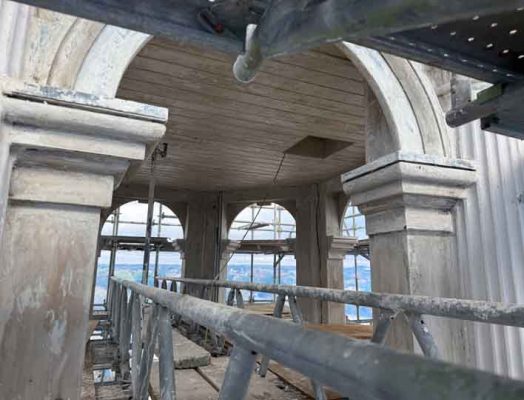
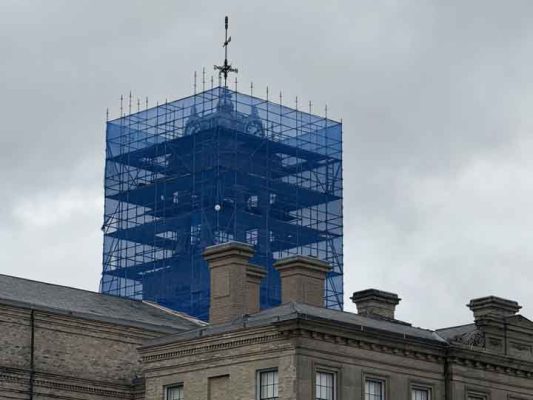
The restoration work began in August and was scheduled to continue until mid-October, with scaffolding and blue tarps surrounding portions of the clock tower as crews worked to preserve one of Cobourg’s most recognizable heritage landmarks.
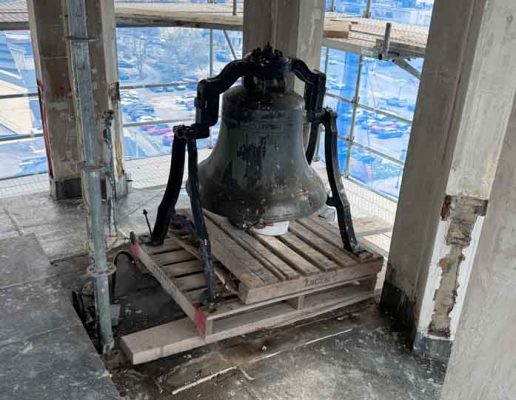
The project includes restoring exterior woodwork, stripping and repainting surfaces, repairing deteriorated sections and replacing the support cradle for the historic bell.
However, it was only after the scaffolding went up that the full extent of the damage became apparent.
“Unfortunately, you can’t get the exact scope of what the damage is” until workers can physically access the structure, Storms explained.
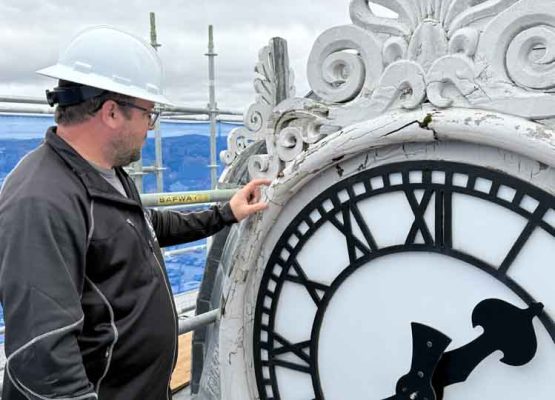
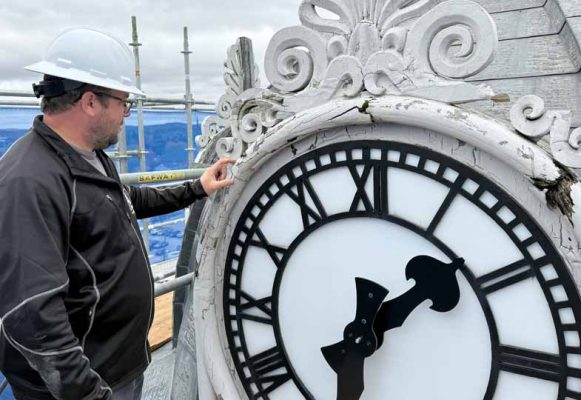
During a close-up inspection, he pointed to sections where the wood had deteriorated to the point that it felt spongy beneath the surface.
“There’s nothing left of it in areas,” he said, describing areas where the original wood had rotted away.
Some sections that once supported railings and spindles have deteriorated extensively, while other portions of the tower remain in surprisingly good condition.
The difference between the two illustrates the challenges involved in maintaining a historic structure that has endured generations of Ontario weather.
Damage hidden in plain sight
The restoration team initially believed much of the deterioration was concentrated around the middle of the tower, near the bell.
That assessment was based on what could be seen and examined before scaffolding provided access to the higher and less accessible sections.
Once crews reached those areas, however, they discovered the damage extended further than anticipated.
“When we first did the assessment with our historical architects, they surmised that most of the damage was about midway up in the actual where the bell is in the tower based on what they could see,” Storms said.
“But that was unfortunately just simply based on the fact that they couldn’t get to access all parts of the tower.”
He added that while the project team had anticipated some additional deterioration, the actual extent of the damage exceeded expectations.
“Although we had prepared for obviously some additional, there was more than we expected.”
That discovery is not unusual when working on historic buildings, where layers of paint can conceal deterioration until surfaces are stripped away and the underlying material can be examined.
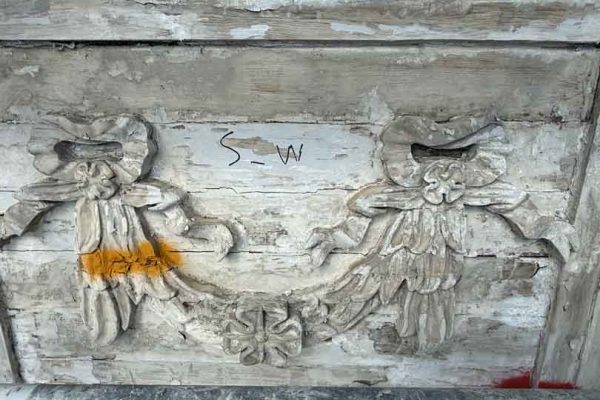
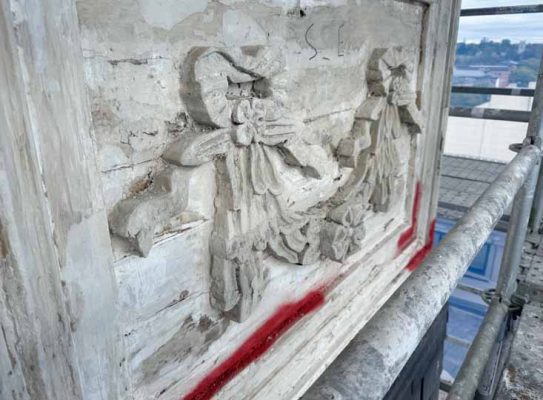
During the inspection, contractors and consultants used different paint colours to identify the condition of individual sections of wood.
The markings help determine which areas require complete replacement and which can be repaired and preserved.
“Between our consultants and our contractors, they’ve gone around, they’ve performed a paint stripping of most of the wood on the tower so far,” Storms explained.
“They’ve noted areas, and that’s the different colours as to areas that need to be fully replaced as far as woodwork.”
Other sections can be treated using a consolidation process or an epoxy repair process with approved products designed to stabilize and preserve the existing wood.
The goal is to retain as much original restoration era material as possible while ensuring the structure remains sound and protected against further deterioration.
Not every section has suffered the same fate.
Storms pointed to portions of the tower that remain in very good condition, despite peeling paint and the need for further cleaning.
“These sections here, these are original and these are all in very good shape still,” he said.
“They’ve obviously got a little bit more peeling back of the paint to do and clean up, but from what we’ve seen and what we’ve been able to test, it’s still in very good condition.”
The challenge is determining where the restoration era wood remains structurally sound and where the deterioration has progressed beyond what repairs can address.
Lakefront weather takes its toll
Victoria Hall’s location near Lake Ontario presents its own challenges when it comes to protecting exposed woodwork.
Wind, rain, freezing temperatures and ice all contribute to the gradual deterioration of exterior surfaces.
Even modern paint, designed to protect wood from the elements, cannot eliminate the problem entirely.
“Unfortunately, especially with the weather we get here right off the lake, it takes a battering for sure with the wood,” Storms said.
Water can find its way behind paint layers when surfaces crack or separate. Once moisture reaches the underlying wood, deterioration can begin and continue largely out of sight.
“If the water can get in behind the paint layers, obviously you have a problem where the wood can start to deteriorate that way,” he explained.
“The paints we use nowadays are very good at their job. But unfortunately, with the winds, the weather and all the ice and so forth, there are areas where the paint will break away. You can get water in behind, and that just starts the deterioration process.”
It is a gradual cycle: protective paint begins to fail, moisture enters, and the wood beneath can rot while the exterior continues to appear relatively intact.
By the time the damage becomes obvious, repairs can be considerably more extensive than a simple paint job.
That is why regular inspection and maintenance are essential to preserving a building of Victoria Hall’s age.
The Town has indicated that restoration work of this nature, including painting and general maintenance, has historically been required approximately every 10 to 15 years for the tower itself.
Protecting a landmark
Victoria Hall is more than a municipal building. It is one of Cobourg’s defining architectural landmarks and a significant piece of the community’s history.
The building opened on September 7, 1860, when it was officially opened by the Prince of Wales, later King Edward VII. The hall was named in honour of his mother, Queen Victoria.
Designed in a Palladian-influenced architectural style, Victoria Hall was designated a National Historic Site in 1959.
Over the decades, the building has served a variety of purposes, including a courtroom, judges’ chambers, concert hall, municipal and county administrative offices, council chambers, law offices and Masonic lodge rooms.
Today, the building remains a prominent feature of downtown Cobourg, with its clock tower visible to residents and visitors moving through the surrounding streets.
For Storms, preserving that presence means dealing with deterioration before it threatens the building’s long-term condition.
“It’s an iconic landmark of Cobourg, and we have to try to keep it at its best form,” he said.
“With the wood and the other building materials, it’s a constant process to keep it that way.”
The current restoration is being funded through the Town’s 2026 Capital Budget.
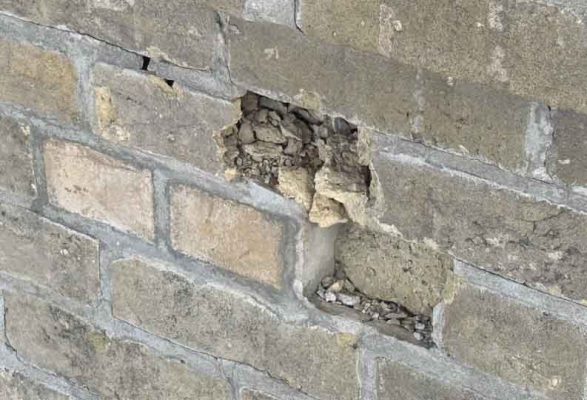
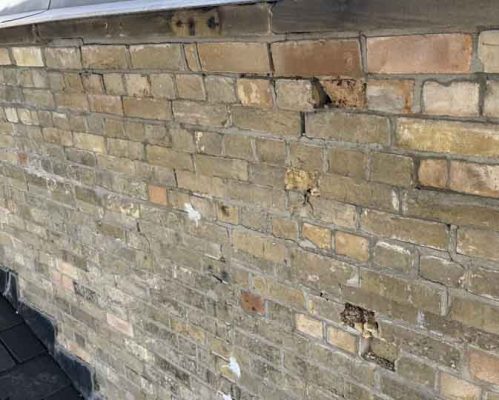
Heading into the budget season, council set aside $300,000 for restoration work involving masonry and woodwork and plaster in the clock tower area. But with the damage that wasn’t visible until the scaffolding was erected, the cost of the restoration will be higher. How much higher has yet to be calculated.
The Victoria Hall Maintenance Trust is also helping fund repairs to the historic bell cradle, which is being replaced because of its condition, and the Victoria Hall Volunteers have also pledged financial assistance.
As part of the work, the clock and bell mechanisms have been taken out of service. Storms indicated that the clock faces would also need to be removed to allow crews to complete repairs in the affected areas.
For residents accustomed to hearing the bell and seeing the clock operating above downtown, the temporary silence is a reminder that work is underway behind the scaffolding.
The interruption is necessary to allow crews to address deterioration that cannot be repaired while the mechanisms and surrounding components remain in place.
A closer look at history
The scaffolding surrounding the clock tower has temporarily changed the familiar view of Victoria Hall, but it has also provided a rare opportunity to see the building in a way most people never will.
From the sidewalk, the painted woodwork can appear sound. Up close, the peeling paint and deteriorated material reveal the effects of years of exposure to the elements.
Some original sections have survived remarkably well. Others have reached the point where replacement is necessary.
The restoration team must balance those differences while respecting the historic character of the structure and trying to make the best financial decisions for Cobourg.
For a building that has stood for more than 165 years, maintenance is not a one-time undertaking. It is an ongoing responsibility that requires attention, careful assessment and periodic investment.
The work underway at Victoria Hall is intended to help ensure that the clock tower remains part of Cobourg’s skyline for generations to come.
And while the blue tarps and scaffolding may obscure the clock tower for a time, the discoveries made beneath the paint serve as a reminder that preserving history often requires looking beyond what can be seen from the ground.

Author: Pete Fisher
Has been a photojournalist for over 30-years and have been honoured to win numerous awards for photography and writing over the years. Best selling author for the book Highway of Heroes - True Patriot Love