
Ontario municipalities considering allowing electric kick-style scooters on local roads have been given a detailed framework outlining the rules, safety requirements and responsibilities that come with participating in the province’s e-scooter pilot program.
Under the provincial guidelines, municipalities must first pass a bylaw permitting e-scooters before they can legally operate on their roads. Municipalities participating in the pilot are also expected to notify the Ministry of Transportation and monitor collisions involving e-scooters, with written reports submitted to the province twice a year.
The framework gives municipalities considerable control over how — and where — e-scooters operate within their communities.
Strict requirements for e-scooters
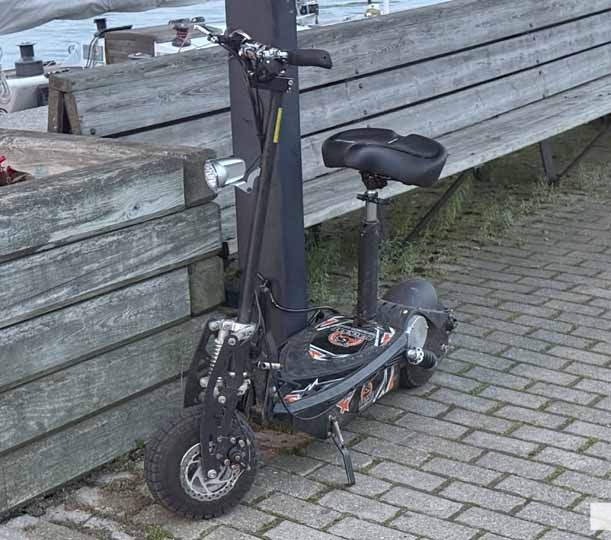
To qualify under the pilot program, an e-scooter must be electric and have two wheels, brakes, a horn or bell, and front and rear lights.
The scooters cannot have pedals or a seat and must meet several size and performance limits:
- Maximum wheel diameter of 17 inches.
- Maximum weight of 45 kilograms.
- Maximum power output of 500 watts.
- Maximum speed of 24 km/h.
E-scooters must also be parked in municipally approved parking areas.
Riders face their own restrictions
Operators must be at least 16 years old, and anyone under 18 must wear a bicycle helmet.
Riders must stand while operating the scooter and cannot carry passengers or cargo. Baskets are also prohibited.
E-scooters cannot be operated on sidewalks and are not permitted for commercial use.
The province also prohibits operating an e-scooter while impaired by drugs or alcohol. The provincial guidelines warn that Criminal Code consequences may apply in addition to Highway Traffic Act penalties.
Municipalities decide where scooters can operate
The provincial framework leaves many decisions up to individual municipalities.
Municipalities can determine where e-scooters are permitted to travel, including whether they can use bike paths, parks or trails. They can also establish designated parking areas, limit the number of scooters operating in particular areas and establish rules for dealing with scooters that are abandoned, damaged or considered unsafe.
The province recommends designated parking areas or corrals to prevent scooters from obstructing roads, businesses and private property.
Parking locations should not block business entrances, fire doors or create hazards outside restaurants and bars.
Municipalities are also encouraged to establish rules identifying who is responsible for removing improperly parked or stranded scooters and who receives penalties when scooters are not returned to designated locations.
Insurance and business requirements
Communities allowing e-scooter companies to operate are encouraged to establish permits, licences, contracts or operating agreements and set performance standards for companies.
The province also recommends requiring e-scooter companies to indemnify municipalities and carry appropriate insurance, with municipalities determining the type and amount of coverage required.
Municipalities must also consider how e-scooters will interact with pedestrians, cyclists and people using other personal mobility devices.
Fines can reach $2,500
The Highway Traffic Act rules of the road generally apply to e-scooter operation in Ontario.
Violations of the provincial pilot regulation can result in fines ranging from $250 to $2,500 under Section 228(8) of the Highway Traffic Act. Municipal bylaw offences may also apply.
The province stresses that its municipal framework is a guide and that municipalities should refer to the Highway Traffic Act and its regulations for official requirements.
For communities considering joining the pilot, the decision therefore goes well beyond simply allowing e-scooters on local roads. Municipalities must establish their own rules covering parking, operating areas, enforcement, insurance, safety, abandoned scooters and data collection before permitting the devices.

Author: Pete Fisher
Has been a photojournalist for over 30-years and have been honoured to win numerous awards for photography and writing over the years. Best selling author for the book Highway of Heroes - True Patriot Love